Engineers Without Borders UofT: Autonomous Garden
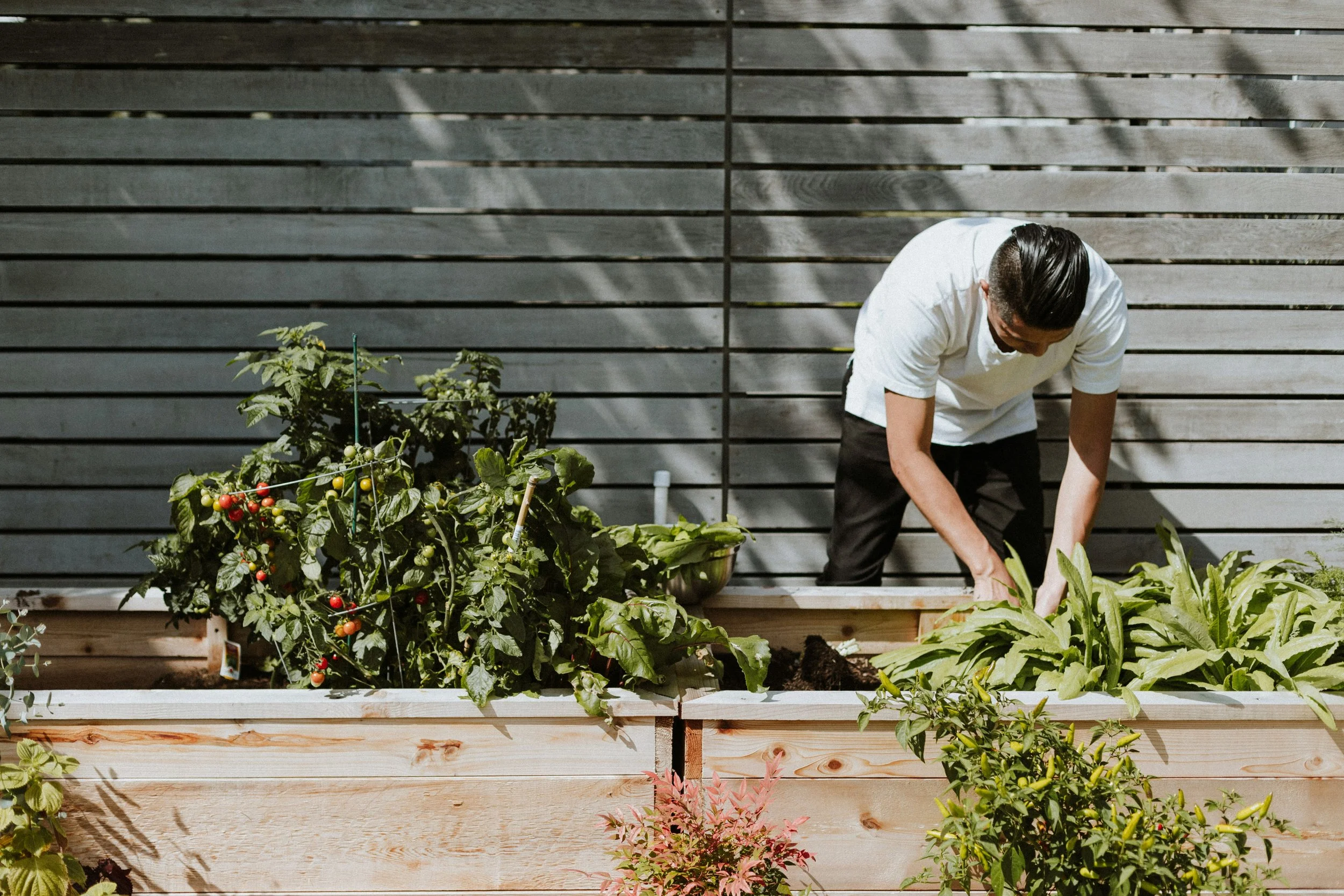
Photo by Priscilla Du Preez 🇨🇦 on Unsplash (our actual garden is under construction, will update this image soon)
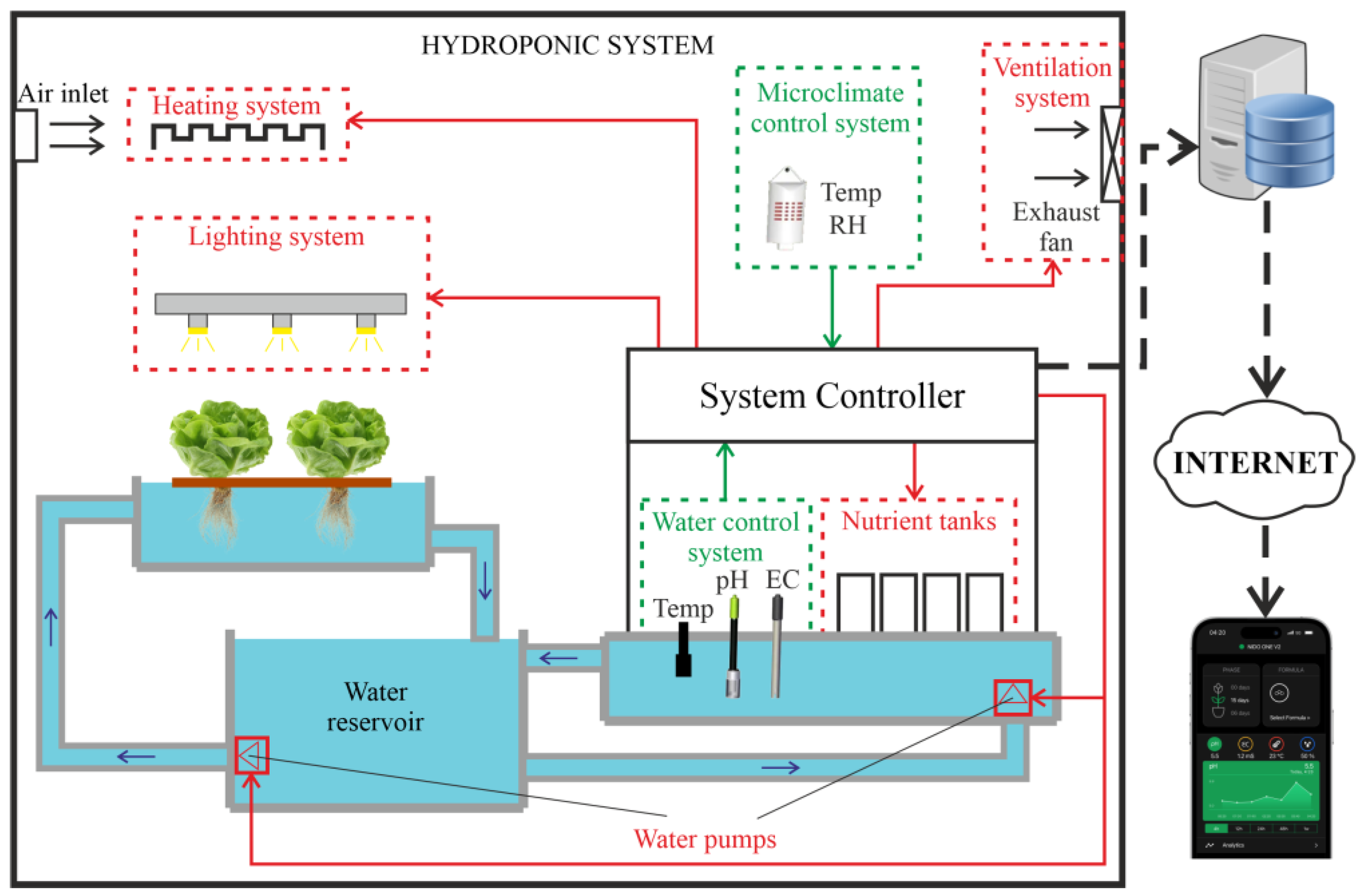
As part of Engineers Without Borders UofT, I’m helping lead the development of an autonomous irrigation system for a community garden that relies on unpredictable volunteer availability and inconsistent weather patterns. The goal is to turn last year’s proof-of-concept into a fully integrated, sensor-driven watering platform that can operate reliably with minimal human intervention.
This project fits directly into my larger engineering philosophy: building systems that make complex technology disappear behind reliability, usability, and human impact. Designing an autonomous irrigation system isn’t just about sensors or pumps — it’s about creating technology that quietly solves real problems for communities. It’s hands-on, interdisciplinary, and purpose-driven engineering — exactly the kind of work I aim to keep doing.
Objectives
Build a robust, semi-autonomous irrigation system using soil-moisture and environmental sensors.
Replace manual watering with an automated control loop using Arduino-based logic.
Design a weatherproof housing for electronics, pumps, valves, and wiring.
Create a system that community members can trust, understand, and maintain long-term.
Contributions & Outcomes
Designed and evaluated the full sensor stack (soil moisture, humidity, rain detection, ambient temperature).
Implemented Arduino control logic for real-time moisture monitoring and pump activation thresholds.
Helped redesign the waterproof electronics enclosure to improve cable routing, thermal considerations, and serviceability.
Contributed to prototype testing plans, calibration procedures, and reliability improvements.
Coordinated between the Community Projects branch and Technical Projects branch to ensure usability and impact for garden volunteers.
A stable moisture-triggered irrigation cycle that reduces over-/under-watering.
More resilient electrical and mechanical design suited for multi-season outdoor use.
A system architecture that supports future add-ons such as remote monitoring, weather-based prediction, and data logging.
A clearer documentation pipeline so future EWB teams can maintain and expand the project.
Technical Skills
Embedded systems & microcontrollers: sensor integration, ADC calibration, control-loop logic.
Electromechanical design: pump selection, power distribution, waterproofing, enclosure design.
Systems engineering: defining requirements across community, environmental, and technical constraints.
Cross-team collaboration: translating community needs into technical specifications.