Project HERO
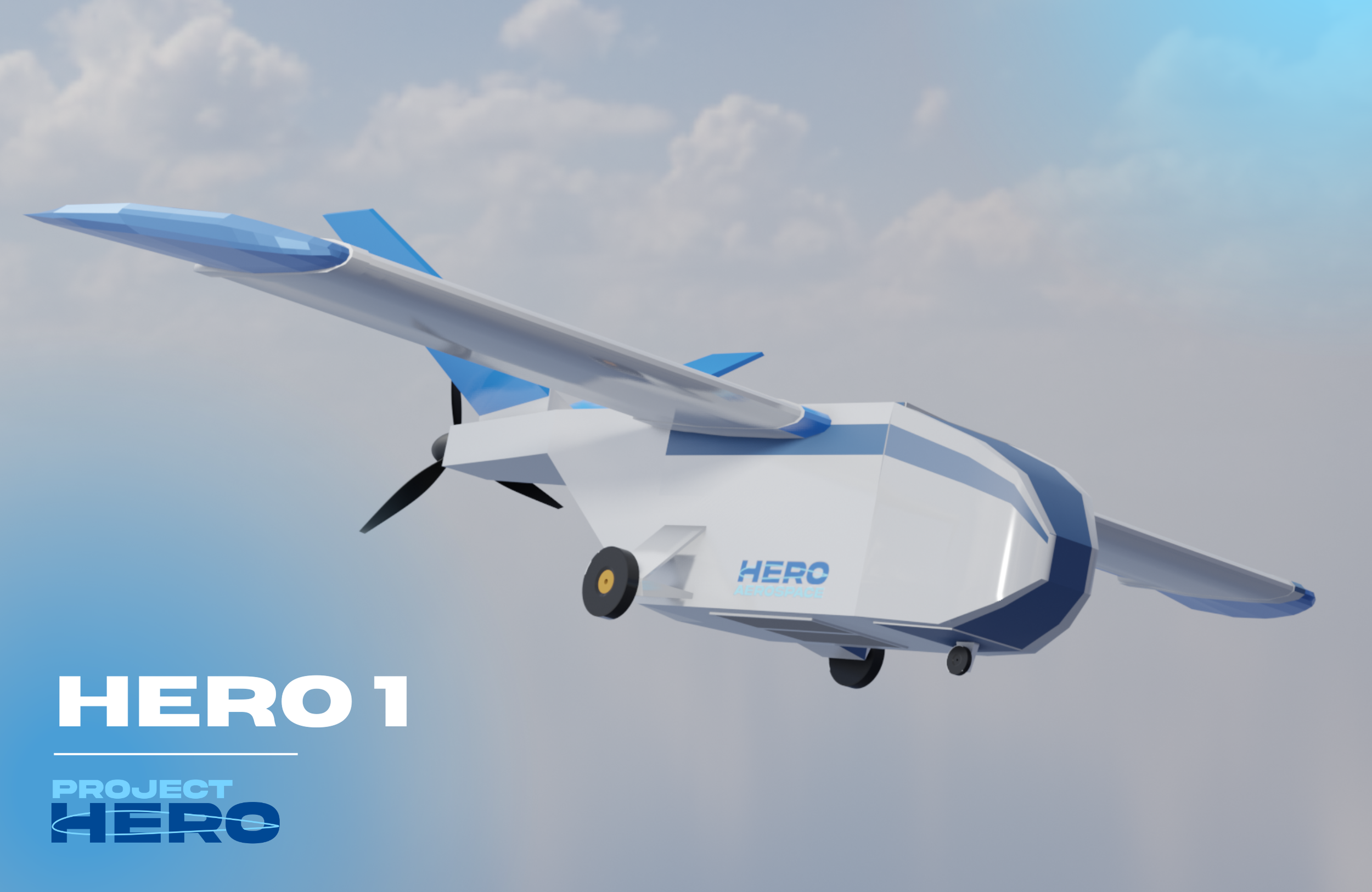
HERO 1 concept render.
The coolest thing I’ve ever built has got to be the electric airplane I designed and assembled from the ground up called Project HERO (Hurricane Emergency Response Operations). To give a bit of background, I completed my last two years of high school in Fort Myers, Florida, where in the beginning of my 11th grade, my community was hit with Hurricane Ian—one of the worst hurricanes the state has ever seen. It turned my neighbourhood into messy piles of sodden concrete, rotten trees, and roof tiles; and because of the widespread damage, the recovery process was very long, spreading emergency response and resources pretty thin, especially where I lived.
Seeing all of this happening, I wanted to create something that could immediately help my community; having been interested in airplanes, I thought I’d try building an airplane—named the HERO 1—that could fly low and slow over areas where roads were destroyed and waters were too shallow for boats—to drop resources to people stuck in their homes. So I set out and did it. It was probably one of the most difficult things I’ve ever tried doing—but it was so exciting. To tackle the project, I built a team, worked with students from my local university (Florida Gulf Coast University), and even had a professor from Rice help out and give feedback on prototyped designs of the aircraft. Within 5 weeks it was flying, and in 7, it had successfully dropped its first payload of resources.
I think what makes this accomplishment really cool is not the plane—but more about how it was created with the goal to tangibly help others, and how it was built alongside my friends, colleagues, fellow students, teachers and professors. At the end of the day, I think the most meaningful innovations aren't just about the technology itself; I think they're about the people they serve and the communities that come together to create them. Project HERO is what led me to pursue mechanical engineering, attend ISEF, join my school’s Aerospace Team, and brought me to this application that I’m writing right now. All these things–especially Hack the North–are all about creating something for good, together. And that’s what I want to do.
Obectives
My goal with HERO 1 wasn’t just to build “an airplane”—it was to build a tool my community actually needed. I set out with three core objectives:
Design an electric fixed-wing aircraft capable of flying low, slow, and safely over flooded neighborhoods to deliver supplies where vehicles and boats couldn’t reach.
Validate the aerodynamic and structural performance through iterative prototyping, field testing, and computational analysis.
Develop a practical, repeatable workflow that a small team with limited resources could use to go from concept to flight in weeks.
Outcomes & Contributions
I ended up taking responsibility for pretty much every engineering layer of HERO 1, from concept sketches to flight tests. Some of the most meaningful outcomes included:
Functional Aircraft Built From Scratch
I designed, fabricated, wired, and assembled the full airframe—wings, fuselage, tail assembly, battery architecture, and control surfaces—using a mix of composites, 3D-printed parts, and lightweight structural components.Aerodynamic Validation Through Testing
I ran multiple rounds of wind-tunnel-style testingCommunity-Driven Flight Trials
My team and I conducted systematic flight tests to tune the control system, evaluate the payload-drop mechanism, and improve flight endurance. Within the first week of test flights, HERO 1 successfully deployed its initial payloads in controlled trials.Team Leadership & Collaborative Engineering
I recruited and coordinated students from three institutions, organized design reviews, and incorporated feedback from a professor at Rice University on structural and aerodynamic refinements.
Technical Details & Skills
CAD & Structural Design
Designed the full aircraft using Fusion 360/SolidWorks, including the wing ribs, spars, airfoil sections, internal mounts, battery trays, and landing components. Iterated constantly to keep the structure strong but light.
CFD & Aerodynamic Analysis
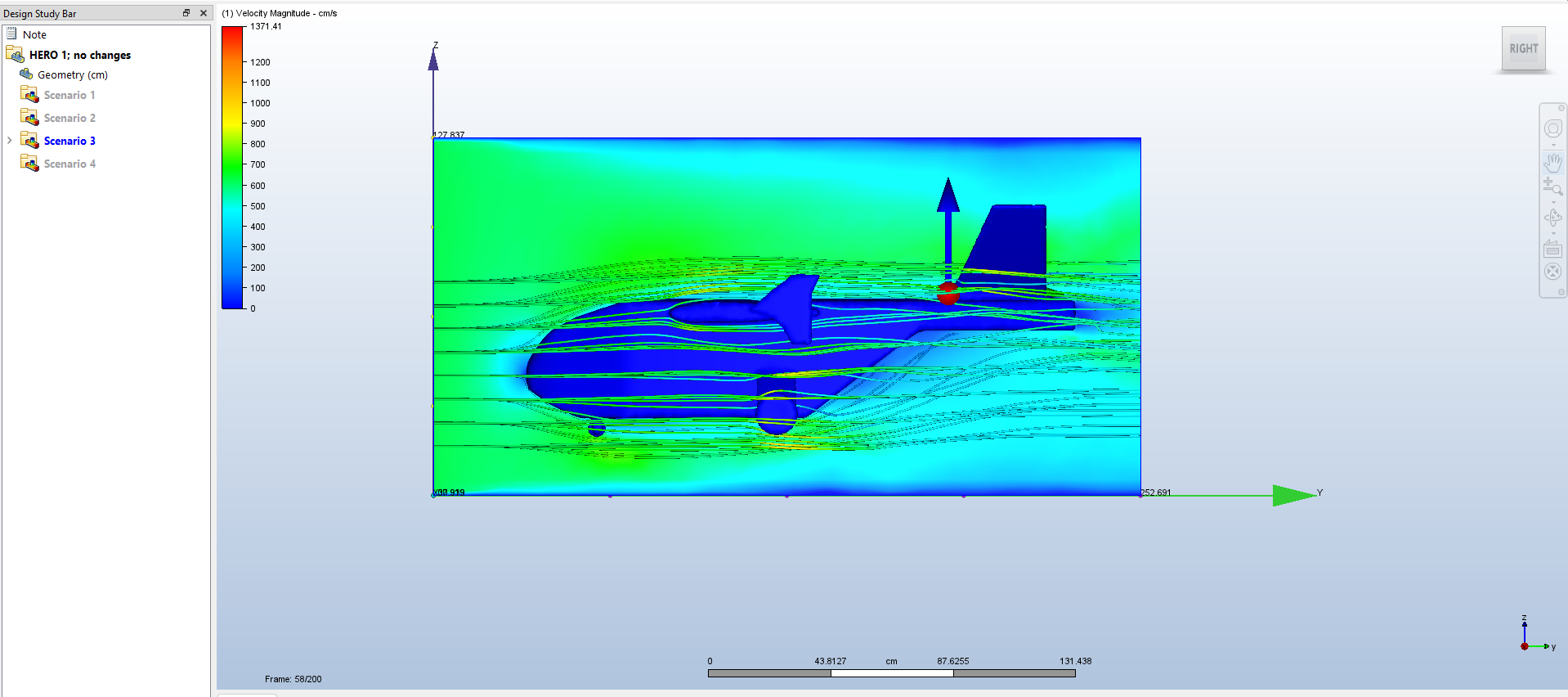
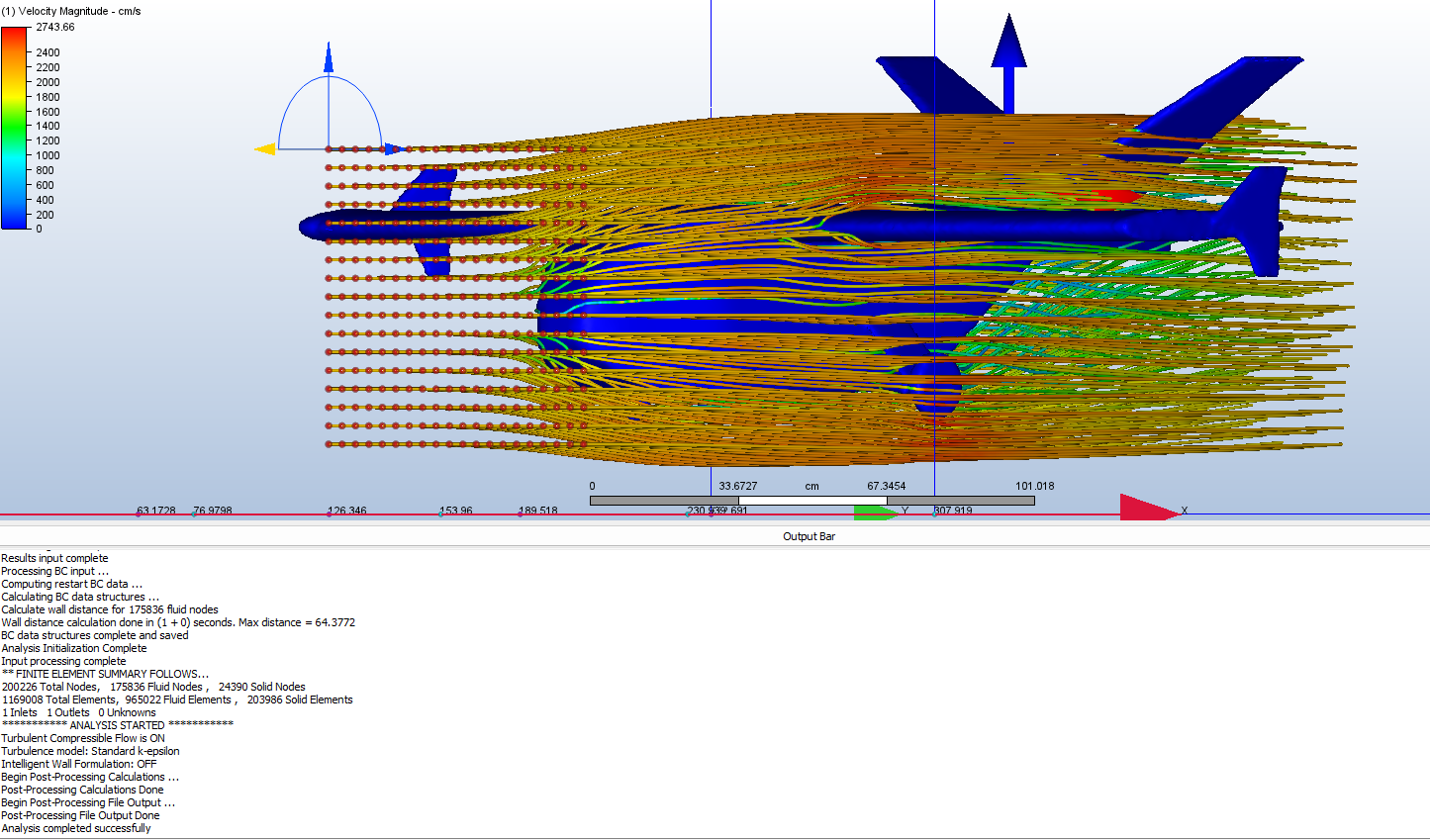
Ran CFD simulations to study pressure distribution, drag characteristics, wing loading, and stall behavior. Adjusted the wing geometry and control surfaces based on simulation outputs to improve lift at low speed.Fabrication & Assembly
Used foam-core composite construction, carbon-fiber reinforcements, 3D-printed joints, and custom electronics integration. I built every component by hand—including all soldering, wiring harnesses, and servo linkages.Electronics & Power System Integration
Designed the battery system, ESC selection, power distribution, and sensor layout for telemetry and control. Integrated an onboard payload-release mechanism.Flight Testing & Validation
Conducted systematic test flights, logged data, tuned control parameters, and made iterative design changes to improve glide ratio, stability, and climb performance.Programming & Controls
Configured the flight controller, PID tuning, and failsafe systems. Set up telemetry to record altitude, airspeed, draw, and GPS logs for post-flight analysis.
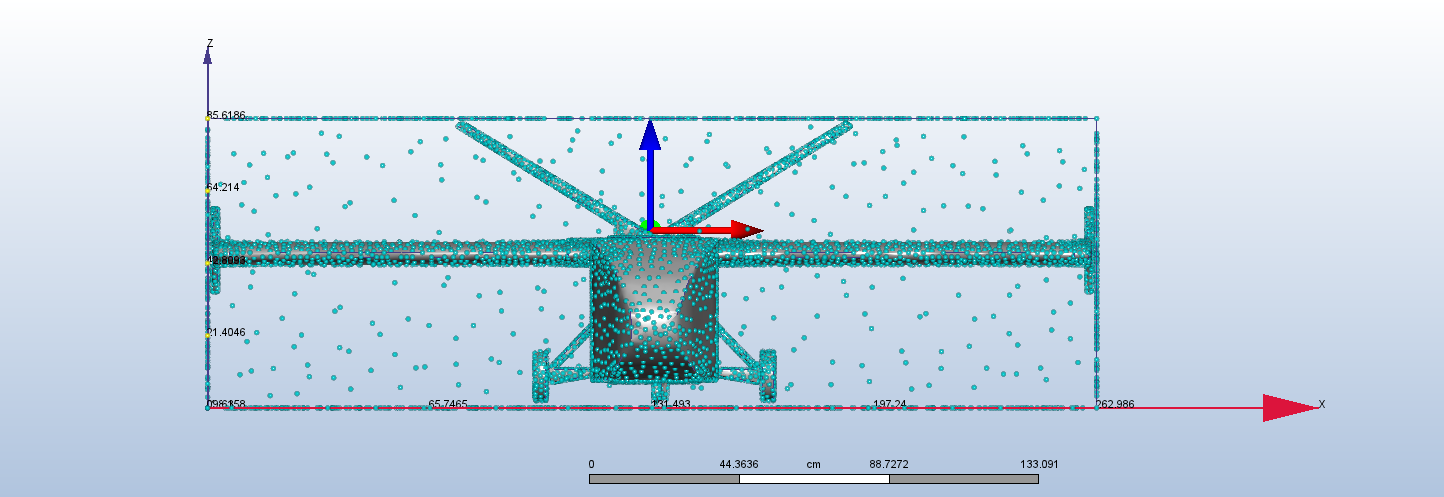
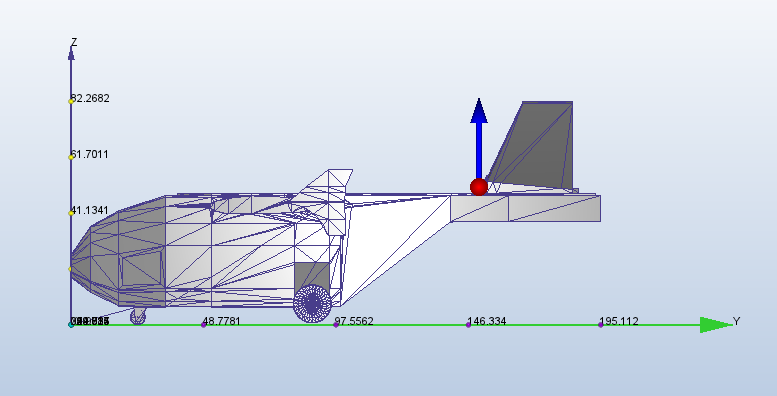
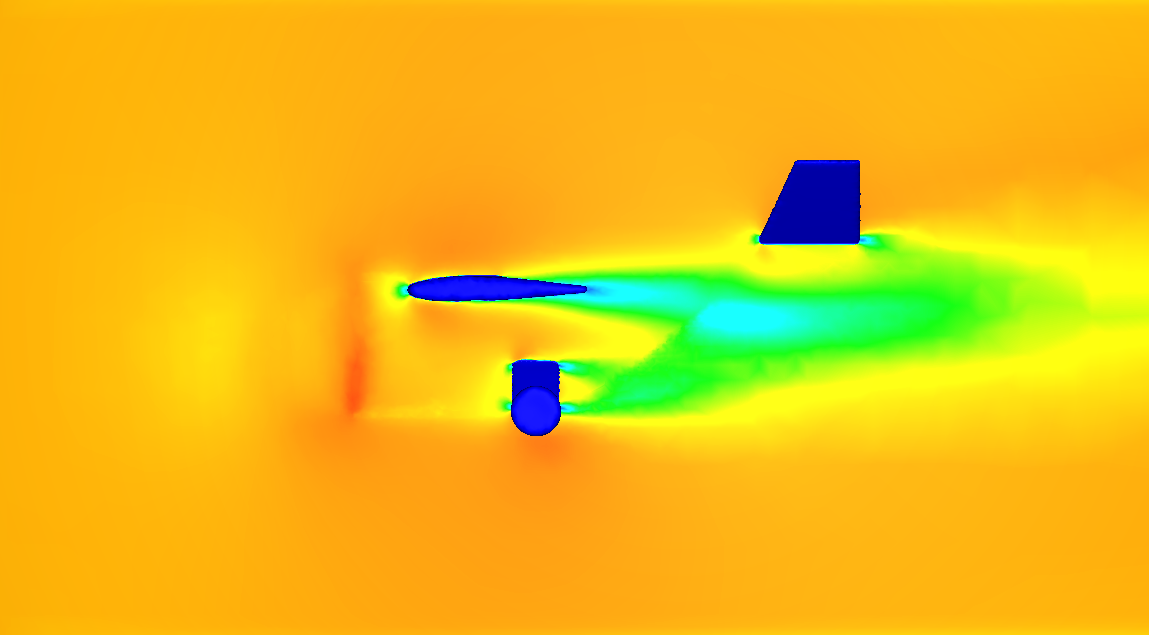
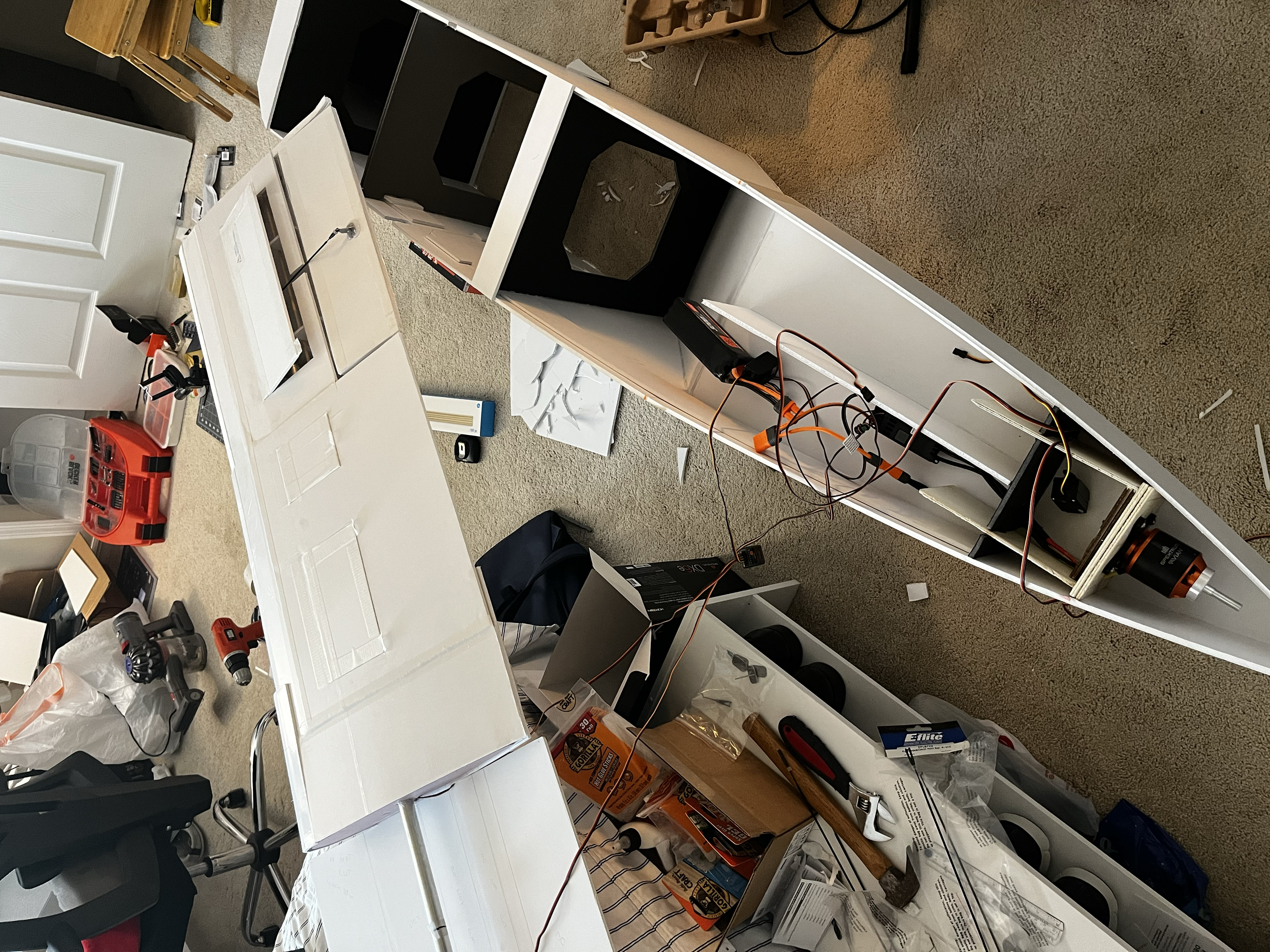
Early prototyping of HERO 1. Feb 2024.
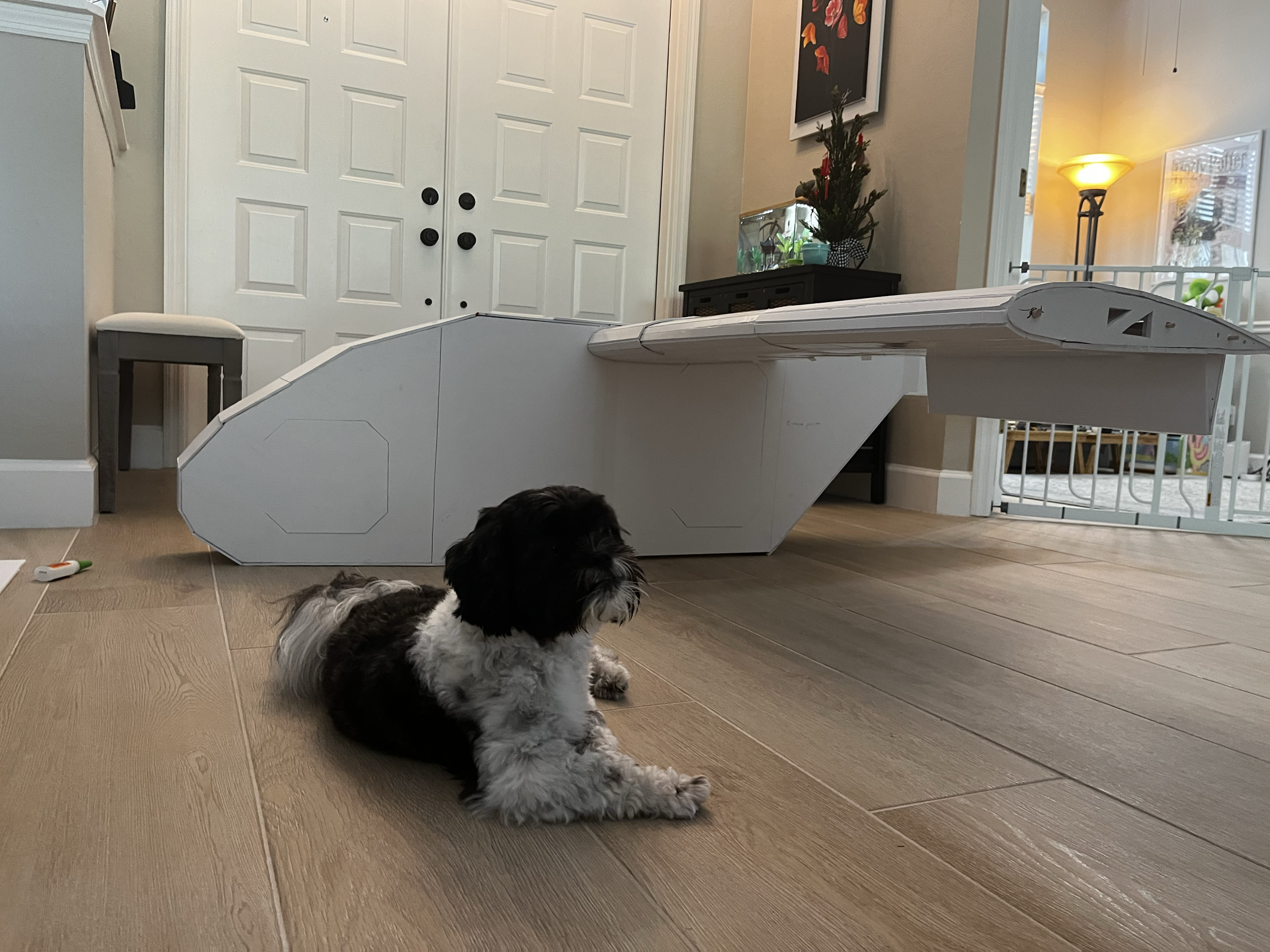
Soy (the cute dog) admiring the HERO 1. March 2024.
